No results found, please try a different search term.
Over the past few years, the expectations employees have for their workplace have shifted dramatically. For facilities and corporate real estate leaders, the focus is no longer only on keeping buildings operational. Increasingly, it is about creating environments that support people, productivity and connection.
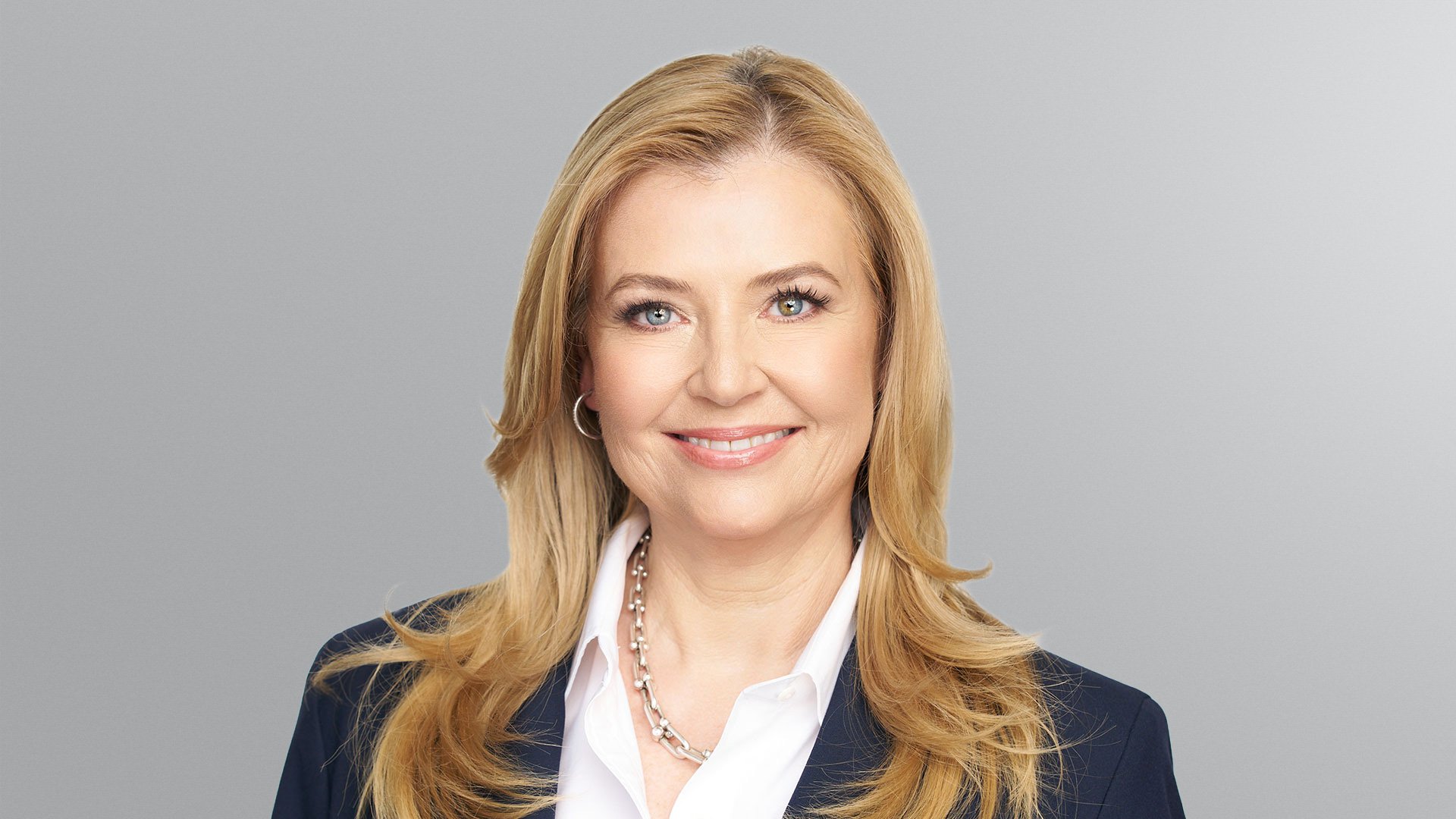
To explore what this shift looks like in practice, we spoke with Wendy Funkhouser, our West Region President. As a sales leader with more than a decade of experience across ISS and its North America culinary division, Guckenheimer, Wendy shares what she’s hearing from clients, how workplace expectations are evolving and why hospitality has become one of the most important ideas shaping the future of facilities management.
When you sit down with a prospective client today, what challenges do they usually bring to the table?
Most clients today are trying to reduce what I call “noise” in their environment. That noise can show up as inconsistent service delivery, rising costs or fragmented systems across their facilities services. But often it reflects something deeper. The workplace model they built a few years ago no longer fits how their employees work today.
What clients are really trying to solve is how their workplace experience supports people returning to the office. The employee experience today is shaped by everything from building reliability and service responsiveness to how spaces encourage collaboration.
Our role is to look at the environment holistically. That includes things like service integration, the technical performance of the building and the daily interactions employees have when they enter the workplace. When facilities management, hospitality and operational services work together, they support stronger workplace culture and create environments where people feel supported and able to do their best work.
Often, clients are ready to step back and re-think their model. Over time, organizations accumulate solutions that solved one problem but no longer support the broader workplace strategy. When that moment comes, we help design a more integrated approach that improves performance while creating a workplace people genuinely want to use.
Are there questions clients are asking now that you weren’t hearing a few years ago?
Absolutely. One of the biggest shifts is that clients are talking much more directly about workplace experience and culture. A few years ago, the conversation was mostly about operational performance. Was preventive maintenance completed on time? Were service tickets closed quickly? Those things are still essential, but today clients are asking: how does the workplace actually feel for employees?
That’s where workplace hospitality is becoming a bigger part of facilities management. Clients are recognizing that the workplace experience is shaped by hundreds of small interactions throughout the day.
What we’re seeing now is a stronger focus on integrating services, so the employee experience is consistent. Building operations, workplace services and food programs all contribute to the environment employees encounter every day. When those elements align, the workplace begins to function less like a collection of services and more like an intentional environment designed to drive connection.
Hospitality has become a vital part of workplace strategy. Why is it resonating now?
The role of facilities management has expanded. Historically, facilities leaders focused primarily on the asset itself; their duty was directed toward the building and its systems. Today, the question is no longer only whether the building works, but whether the workplace is ready for the people using it.
Hospitality is resonating because organizations are realizing that the workplace has to compete for people’s attention again. People are coming in to connect and collaborate with their colleagues.
Also, for me, hospitality comes down to a very simple idea. It means being ready for someone. When you walk into a space that is ready for you, it feels different. The environment has been prepared, the systems are working, the services anticipate what you might need. That readiness communicates that employees were expected and valued.
What advice would you give to leaders who are planning their workplace strategy over the next few years?
The most important thing leaders can focus on is readiness. If you’re planning workplace investments or changes, the question is not only about infrastructure, but also what the environment communicates to the people who enter it.
Workplaces today need to support a wide range of employees and work styles. Different generations are using the same space in different ways. Details like lighting, temperature, acoustics and layout all affect how comfortable and productive people feel during the day.
Leaders who design their environments with that level of thoughtfulness create spaces that feel ready for their employees. When the built environment, services and daily operations work together in that way, the workplace becomes a place people genuinely want to use.
Looking ahead, where do you see workplace experience evolving next?
I think the future of the workplace will be more intentional and more human centered. That means workplace experience will become more personalized and more aligned with each organization’s culture. The best service providers will still bring deep expertise in facilities management, but they will move away from one-size-fits-all solutions, instead tailoring services to reflect the priorities and rhythms of each client’s organization.
What will differentiate great providers is the ability to bring hospitality thinking into technical environments. When teams approach their work with a mindset of readiness and care, they help create workplaces where employees feel welcomed and engaged. Over time, that approach changes the relationship between clients and service providers. Instead of operating as vendors, teams become true partners in shaping the workplace.
Ready to Connect
Interested in more details on this topic?
Relationships start with a conversation. Reach out to speak with an ISS expert.